
Christine Schoenwald
Christine Schoenwald Articles

My candy addiction is always with me, but the period between Halloween and New Years is the most challenging time of year.
Read...




We all want someone who will appreciate our curves, voluptuousness, strength, and beauty without fetishizing us. I’m fat, I’m fabulous, but I’m not your fetish.
Read...

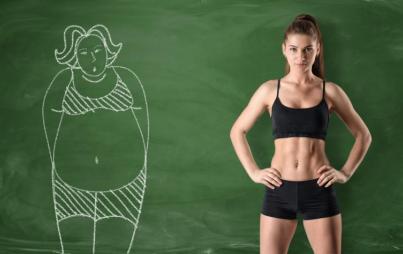
When the formerly fat spoke of their hardships, I didn’t take them seriously. I thought that without the problem of weight, their lives must be perfect.
Read...



“You’re fat and ugly,” I’d hear, or, “Look at your stomach, it’s disgusting!” This wasn’t a neighborhood bully taunting me on my way to school — this is what I said to myself all day long, well into adulthood.
Read...

I’m riding my bike around a local community center on a Sunday morning.
Read...
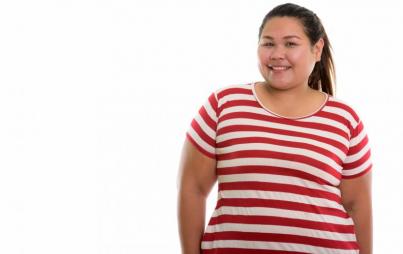
As a fat person, the thought that I’m already taking up too much space and that it would be selfish to ask for more is always in the back of my mind.
Read...

A sad fact: Many men who are sexually attracted to fat women are ashamed of it. We need to talk about men who want sex with fat women but won't date them.
Read...
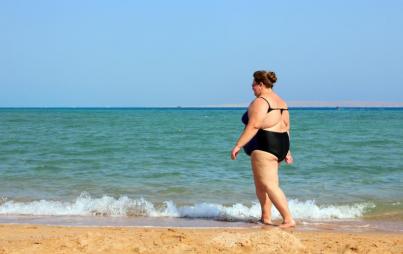
My swimsuit phobia started in middle school — that breeding ground of body shame and fear. One minute I’m a kid excitedly putting on my pink two-piece and running into the ocean, the next, I’m avoiding any place where people are known to live in their swimsuits and I might be forced to wear one.
Read...