
Christine Stoddard

Bio
Christine Stoddard Articles
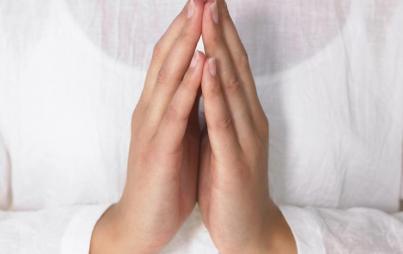
I eventually began to accept that truly being a feminist means embracing the idea of “my body, my choice” in all its incarnations. If I truly believe that women have the right to accessible birth control, the right to safe abortions, the right to consent to sex, and the right to make any decision regarding their own body, it also means I should believe women have the right to decide to never, ever have sex. There are two things that made it hard for me to come to that realization: virgin-shaming and purity culture.
Read...


Indigenous people throughout the world already face so many challenges; they don’t need non-Indigenous people appropriating their cultures and championing family lore as fact. The genocide of Indigenous people is an ongoing travesty throughout the world
Read...

Black—the whispered word in educated, politically correct, upper middle class society.
Read...

I scrolled through my Instagram feed to catch a photo of a friend’s first tattoo. It was an abstract design that paid homage to her wedding venue, a distinctive historic site in her home state. The tattoo seemed sweet at first, but then I read the photo caption. My friend had gotten inked to honor the child she lost in miscarriage.
Read...

Before I became a haunted house performer, I thought having my face touched was one of the creepiest things imaginable. But it wasn't the eerie set music or the beheaded baby dolls that changed my definition of scary. It was what went on in the green room.
Read...
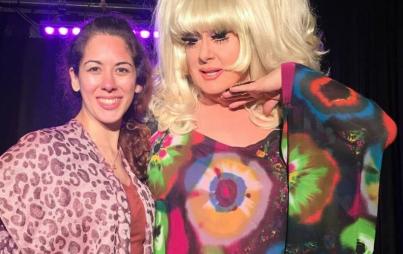
Drag queens, like Lady Bunny, teach outsiders to embrace ourselves and to embrace others. That means doing more than demonstrating tolerance.
Read...

When you’re married to the only white man in your apartment building—and one of the very few in the neighborhood—you, as a woman, make a habit of observing him, especially if you’re a woman of color or a mixed race woman. “Will he use his social privilege for good or evil?” is the simple question, but evaluating him in those terms is not so simple.
Read...
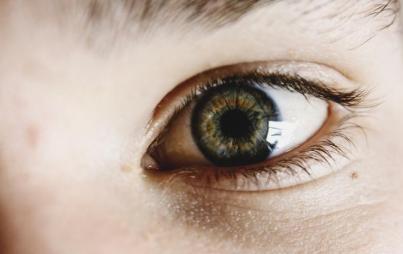
I was shivering and sweating. What if the procedure didn't work? What if I had serious complications? What if I had to come back?
Read...

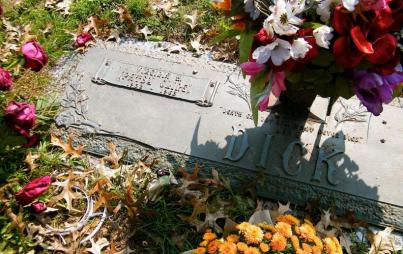
[CN: mention of intimate partner violence] Patsy Cline sang with such a beautiful range of emotion because she had experienced so many ups and downs in her own life.
Read...