
Lisa Marie Basile

Lisa Marie Basile Articles

The older we get, the harder it is to make close friends.
Read...


Like a lot of people with chronic illness or autoimmune/autoinflammatory disorders, I went through a dead-end labyrinth to get my diagnosis.
Read...
This article first appeared on Luna Luna and has been republished with permission.
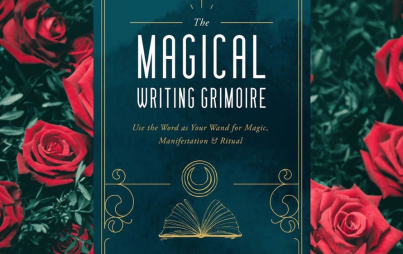
I am fortunate to receive tons of wonderful books on a wide range of topics, but some of my favorites include those by talented witches and magical beings whose books approach magic in accessible, inclusive, radical, and fresh ways.
I am always on the lookout for books which a) present an updated look at magic and witchcraft to a modern audience, b) frame witchcraft in a way that is inclusive and holistic — meaning it addresses systemic issues in society, and c) blend and blur genres — books of narrative non-fiction alongside research, poetry entwined with spellcraft, or divination techniques alongside storytelling.
Read...

When we think of foster care or wards of the state or orphans or homelessness, we hear poor. We hear the forgotten. We hear hopeless. We hear other. Let’s face it: we hear classism, trash, bad parents, drugs. The stigma cuts through the room, through the world, through the news reports we don’t read — and through our bodies.
So let’s get this out of the way now: Imagine not coming from a relatively typical family background, not having enough money to go on school trips, and knowing the structure of an Alcoholics Anonymous meeting and watching your mother at the podium. Imagine going from homeless shelter to foster care, and imagine your main source of support as a teenager wasn’t your mother or father, but your social worker or your foster parent — a stranger, for all intents and purposes. Imagine keeping all of this quiet, because there’s no way high schoolers could ever understand. This was my life. Now you know.
Read...

The sum of a city isn’t always made up of its parts.
Read...

What do you do when your workplace is so toxic that it makes you sick? How do you take action then? What happens when you have nothing left to give?
Read...

Remember that your body is you, it is not separate. Treat it, yourself, with love. You’re a body of magic.
Read...

The fact of the matter is that content mills are dangerous and personal essays are a different beast. And there’s a vast level of discrepancy between a phone-it-in XYZ — and a Here’s What It Feels Like piece and other essays, where the language sings and the story is backed up by reportage. I’m aware of this. But there is also a middle ground.
Read...