
Christine Stoddard

Bio
Christine Stoddard Articles

Most of my friends are my age or slightly older and yet virtually none of them want children… ever. They argue that women deserve respect and autonomy over their bodies. I passionately agree. A few of these friends are, like me, engaged or married, but even they don’t want kids. One of my engaged friends says she and her fiancé may want to adopt children later in life, after they’ve had the chance to travel extensively.
Read...

I scrolled through my Instagram feed to catch a photo of a friend’s first tattoo. It was an abstract design that paid homage to her wedding venue, a distinctive historic site in her home state. The tattoo seemed sweet at first, but then I read the photo caption. My friend had gotten inked to honor the child she lost in miscarriage.
Read...
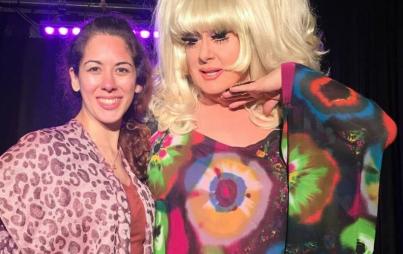
Drag queens, like Lady Bunny, teach outsiders to embrace ourselves and to embrace others. That means doing more than demonstrating tolerance.
Read...


My now-husband was stunned the first time I told him what I do while walking alone. I mentioned behavior typical of so many city-dwelling women: carrying pepper spray, checking my back every block, trying to look confident while struggling to properly breathe. After a moment of silence, he teared up and said, “I don’t want you to have to worry.”
Read...

Plenty of Americans have names that don't convey their full cultural background because, at this point, so many of us are mixed up. How could our names possibly communicate all that we are? But when the time comes for an interracial, interethnic, international couple to name their child, they're often faced with a political decision.
Read...



Black—the whispered word in educated, politically correct, upper middle class society.
Read...
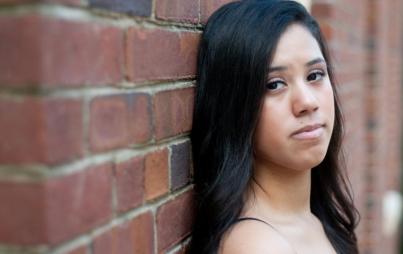
For years, my white father called my mother’s beauty an “exotic” beauty. When I started to come into my own, he began calling me “exotic,” too. It wasn’t until high school that I began to understand why this word bothered me. Though my father meant it as a compliment, the word “othered” my mother, younger sisters, and me.
Read...
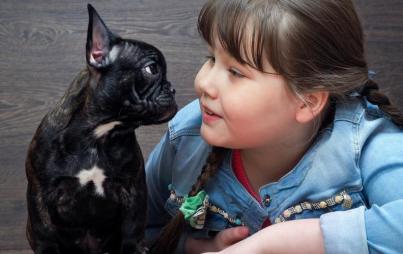
Looking back at childhood photos now is bittersweet. In the moment the camera caught, I'm always smiling, but I wasn't always a happy child. I was fat-shamed almost daily.
Read...
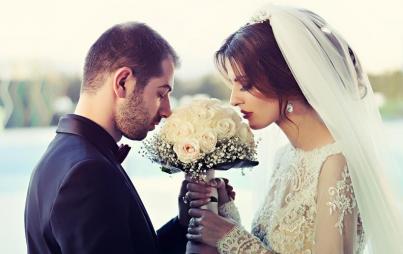
In art school, conversations about the merits of polyamory thrived, but hearing anyone express a genuine desire to get married almost never happened. It was almost taboo. The implication was, how could you want something so traditional? So suburban and unimaginative?
Read...