
Noah Berlatsky
Bio
Noah Berlatsky Articles
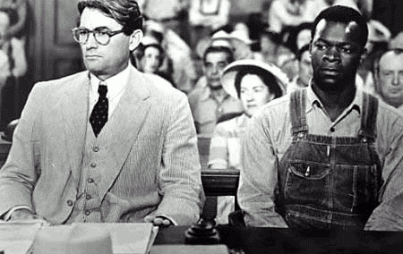
According to an Academy Awards voter, the right sort of people, with the right sort of education and connections, can't be racist.
Read...
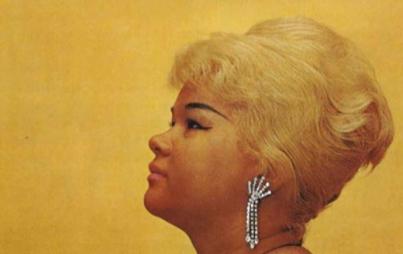
Genre boundaries are conscious of race—and, in the case of rock, conscious of gender too.
Read...
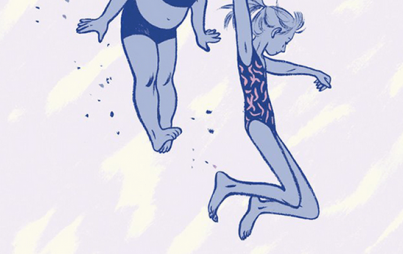
The first graphic novel to win a Caldeott gives children the chance to be adults, and adults the chance to be kids.
Read...

Sex and bodies don't clarify gender; they confuse the issue.
Read...

It's worth questioning some of our assumptions about adolescent inferiority.
Read...
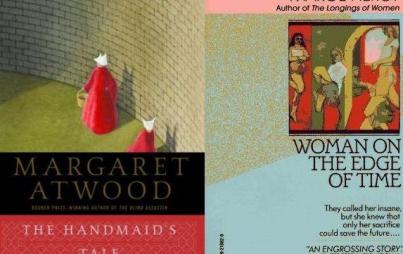
While Atwood's feminist dystopia remains our favorite nightmarish future, Marge Piercy's Woman On The Edge Of Time is far superior.
Read...
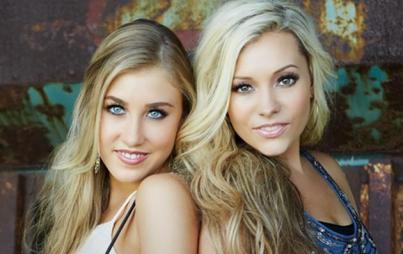
Maddie & Tae's new hit both indicates and subverts country's long history of sexism.
Read...
Conservative fetishization of the past is myopic, simplistic, and mean-spirited—but progressives can be too quick to cede tradition.
Read...
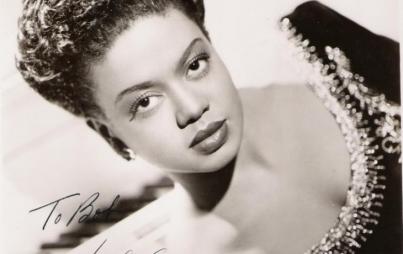
Billie Holiday, Ella Fitzgerald, Edith Piaf: they're all still practically household names.
Read...
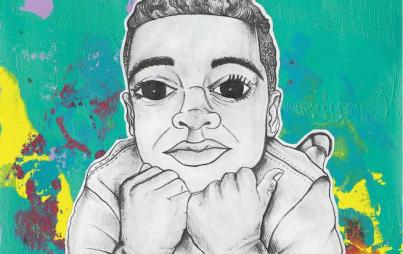
Iin a passionate Facebook thread last week, children's author Meg Rosoff rejected the idea that there are "too few books for marginalized young people," as librarian Edith Edi Campbell had suggested.
Read...